Hard Water and Electric Bills: Why Your Water Heater Costs More in Winter
We’ve all felt the shift come November: the air turns brisk, and suddenly the water from your tap runs ice-cold. As grey days settle in, those long, hot showers feel more comforting than ever. But a few weeks down the road, your electricity bill delivers an unwelcome shock. If your home has hard water, the biting cold outside isn’t the only culprit eating away at your budget: a real issue is lurking inside your water heater.
In Short: The Impact of Hard Water on Your Winter Electricity Bill
During fall, incoming supply water drops from approximately 15°C to roughly 4°C, requiring water heaters to expend significantly more energy to achieve target temperatures. In hard water conditions, mineral scale forms directly on heating elements, acting as thermal insulation. Consequently, elements must operate substantially longer to transfer heat through this mineral barrier to the water. Installing a water softener reduces hardness minerals at the intake, thereby preserving equipment efficiency.
Limescale and Mineral Scale: The Invisible Enemies of Your Water Heater
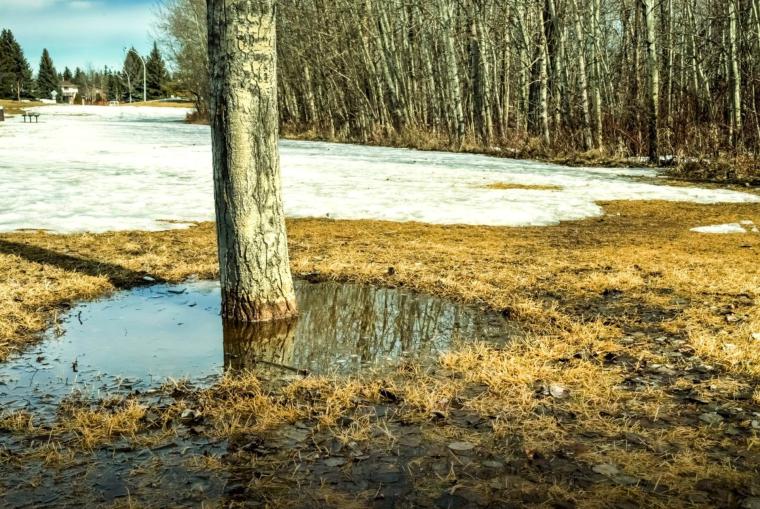
Every November, the ground freezes fast across Quebec, chilling water in municipal mains and private wells alike.
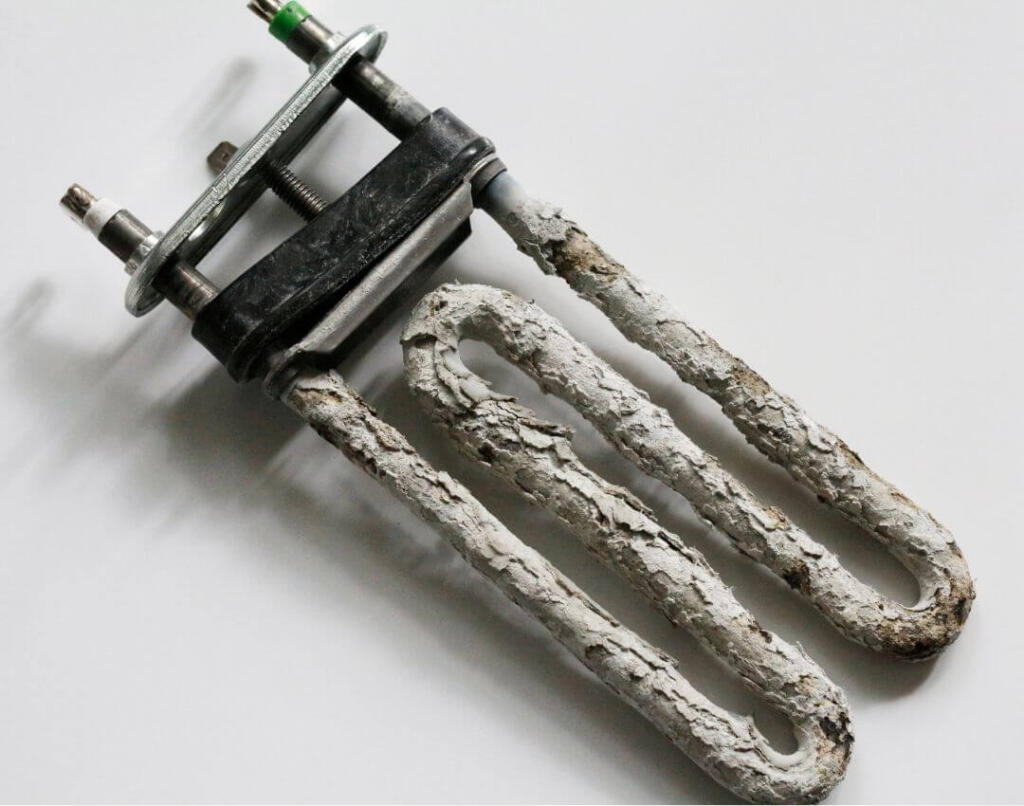
When this frigid, mineral-laden water (rich in calcium and magnesium) fills your tank, heat causes those minerals to precipitate. They solidify into rock-hard scale encrusting your heating elements:
- The Barrier Effect: Limescale is a terrible conductor of heat. While the heating element gets scorching hot, that heat remains trapped behind a wall of rock instead of warming your water.
- Forced Overconsumption: Your water heater is forced to draw electricity for far longer just to keep your water hot.
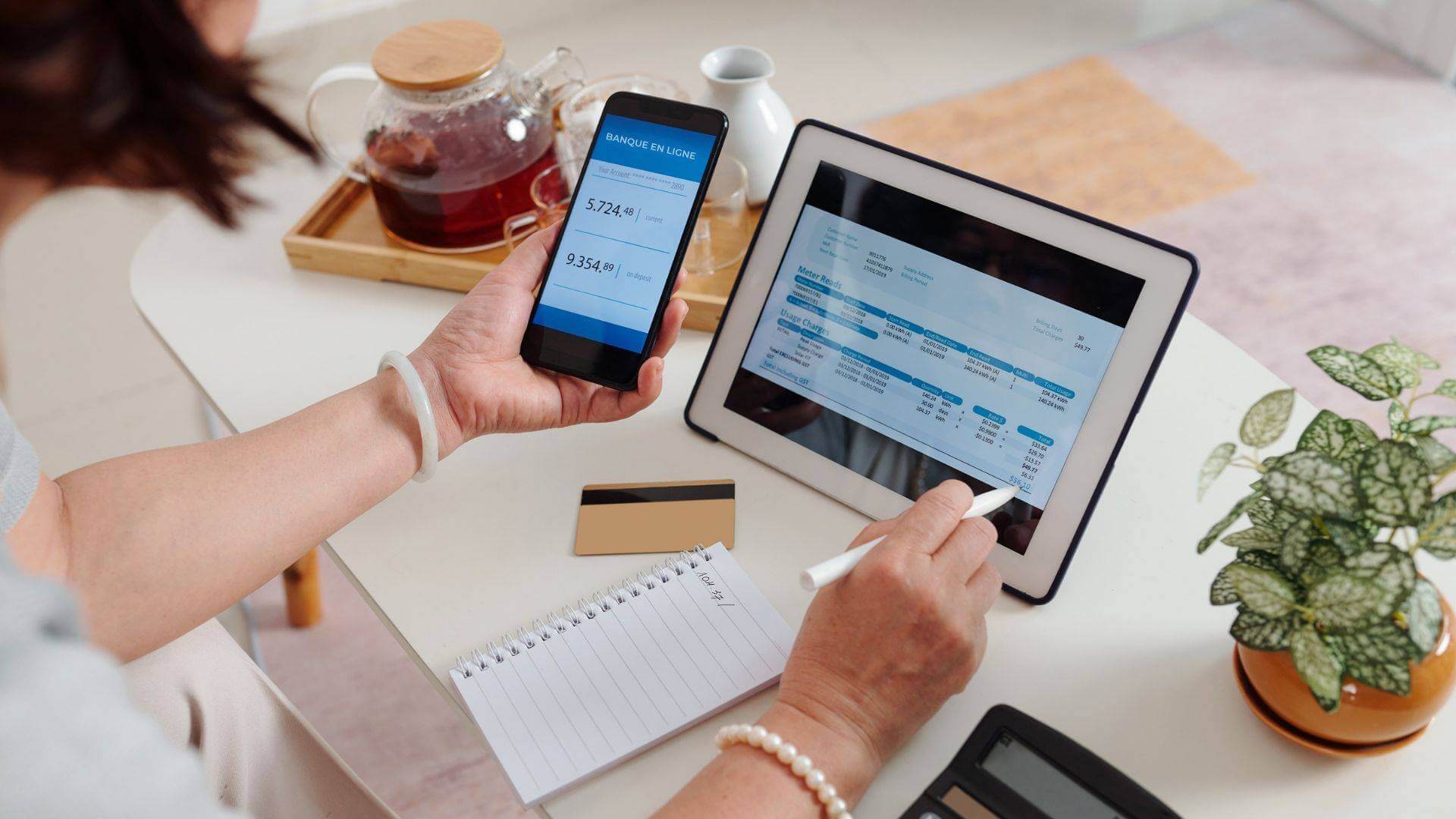
According to Hydro-Québec, water heating already accounts for roughly 20% of an average household’s electricity bill. Left unaddressed, you’re not only burning through money, you’re also fast-tracking the burnout of your heating elements.
Water Softeners: The Solution to Protect Your Water Heater and Save Money
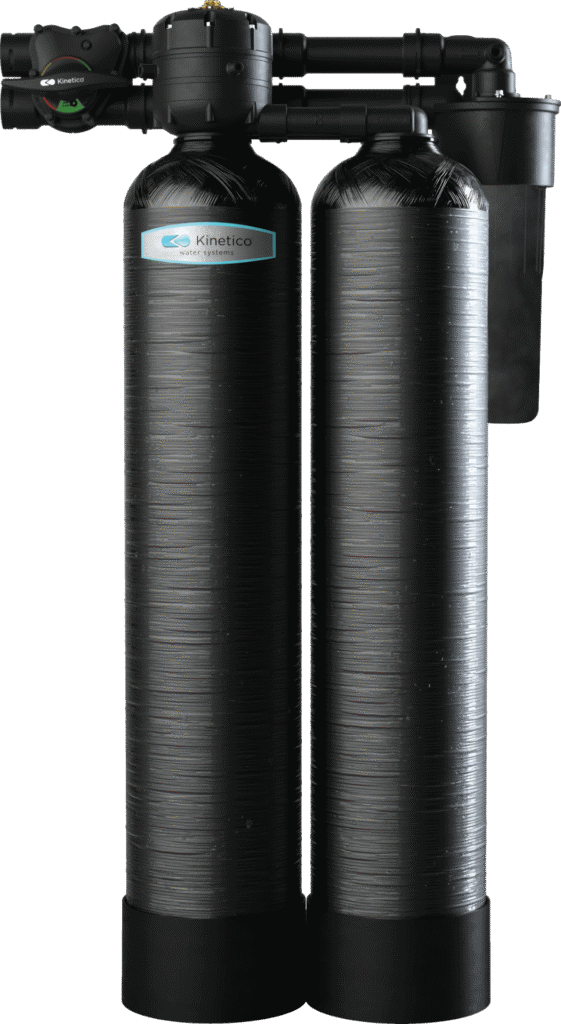
To put an end to this energy drain without sacrificing the luxury of a steaming shower, two simple steps make all the difference:
- Install a Residential Water Softener: By removing hard minerals at your main water intake, a water softener stops scale before it starts. Your elements stay spotless and transfer heat instantly.
- Perform an Annual Tank Flush: Draining sediment from the bottom of your tank each fall clears away settled mineral deposits.
Data from the Water Quality Association (WQA) indicates that using softened water prevents scale-related efficiency losses and reduces water heating energy costs by up to 24.2%, depending on supply hardness levels.
Puribec: Lower Your Electric Bill This Winter with Softened Water
Addressing water quality ahead of winter allows property owners to maintain tighter control over seasonal utility expenditures.
To evaluate your water hardness and protect your household appliances, explore our full line of residential water softeners or connect with one of our specialists today. It’s the easiest, most transparent way to pair everyday comfort with genuine savings.