Buying a Home: 3 Crucial Water-Related Details to Check During Your Tour
May marks the start of the real estate rush in Quebec. When you visit a potential home, you probably instinctively check the age of the roof, the condition of the windows, and the insulation. But have you thought about checking the water?
The water flowing through a home’s pipes has a direct impact on the value of the plumbing, the lifespan of appliances, and, of course, your daily comfort.
In short: Water in your future home During a home tour, inspect the faucets and glass surfaces: the presence of stubborn white stains is a sign of a limescale problem. Hard water causes premature damage to water heaters and plumbing. Depending on whether you’re buying in the city or in the countryside (well water), budgeting for a water analysis and potentially a water softener is an often-overlooked but essential step in the pre-purchase inspection.
1. Check the bathroom: Look for signs of limescale
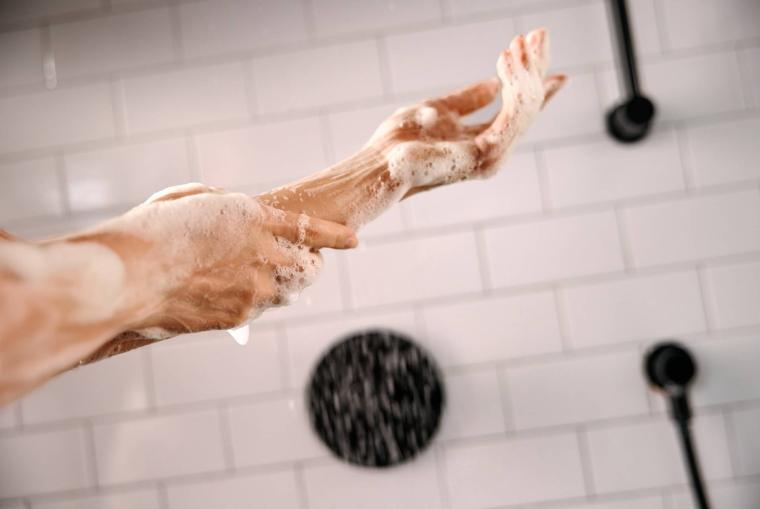
The bathroom is the room that will tell you the most about the quality of your home’s water. Take a close look at the glass walls, showerheads, and the areas around the faucets.
If you notice a whitish buildup or if the faucets look dull, the house is likely supplied with hard water. Limescale in the shower isn’t just an aesthetic issue or a cleaning chore; it’s a sign that minerals are building up throughout the plumbing. If the home doesn’t already have one, installing a water softener should be part of your future plans to protect your investment.
2. Machine Room: Inspect the existing systems
When you visit the basement or utility room, take a look at the water heater. Hard water can significantly shorten the lifespan of this appliance due to scale buildup on the heating elements.
Take this opportunity to check whether the house already has a water treatment system.
- Is there a water softener? Ask the owner how old the unit is and whether it has been maintained regularly.
- Is there a system under the kitchen sink? The presence of a reverse osmosis system is excellent news: it means that the previous owners cared about the quality of their drinking water.
3. Properties in the region: The well is your responsibility
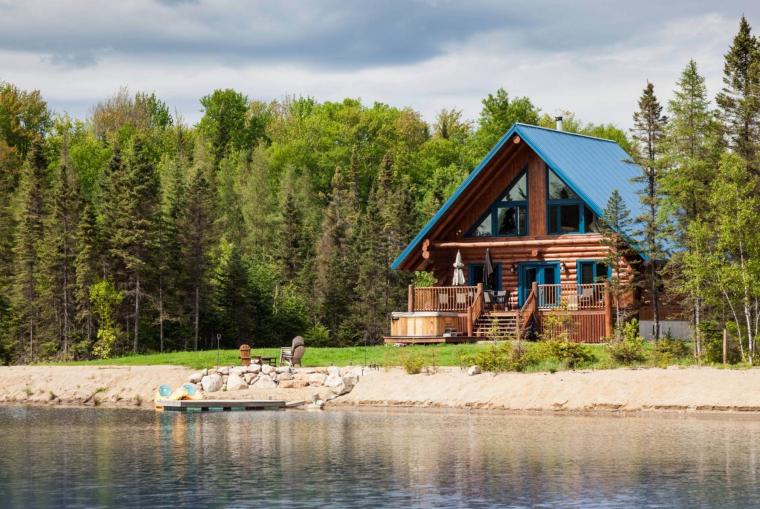
If you buy a house in a remote suburb, in the countryside, or a cottage, you won’t be connected to the municipal water supply. You’ll have to set up your own water filtration system.
Unlike a building inspection, which assesses the structure, the inspector will not guarantee the chemical or bacteriological quality of the water. Well water may appear clear but could contain invisible contaminants, such as sulfur (which causes a rotten egg smell) or bacteria. The Ministry of the Environment (MELCCFP) also reminds homeowners that it is their responsibility to have their well water tested at least twice a year.
Furthermore, it’s not just a matter of health; it’s also often a requirement for securing financing. As Éducaloi points out, if you’re buying a property with a well, your financial institution will most likely require you to pay for a water quality test to ensure the water is safe to drink before approving your mortgage.
Protect your investment before signing
Buying a home is probably the biggest purchase you’ll ever make. Don’t let water quality be an unpleasant surprise after you move in.
If you have any concerns during a home tour or if your property is currently under inspection, please contact us. A residential water analysis conducted by our experts will give you an accurate picture of the property’s water quality. It’s a small step that will ensure years of peace of mind in your new home.