Guide to maintaining your well and preserving your water quality in the fall
Fall in Quebec is a colorful season, but for homeowners with wells, it can also bring some challenges. Falling leaves, heavy rains, and impending frost can have a direct impact on the quality, health, and quantity of your water.
Why fall is a time to be vigilant: Microbiological and environmental risks
With changes in temperature and weather conditions, the risk of water contamination increases. These variations promote the presence of microorganisms and chemical residues in well water.
Here are some common problems to watch out for:
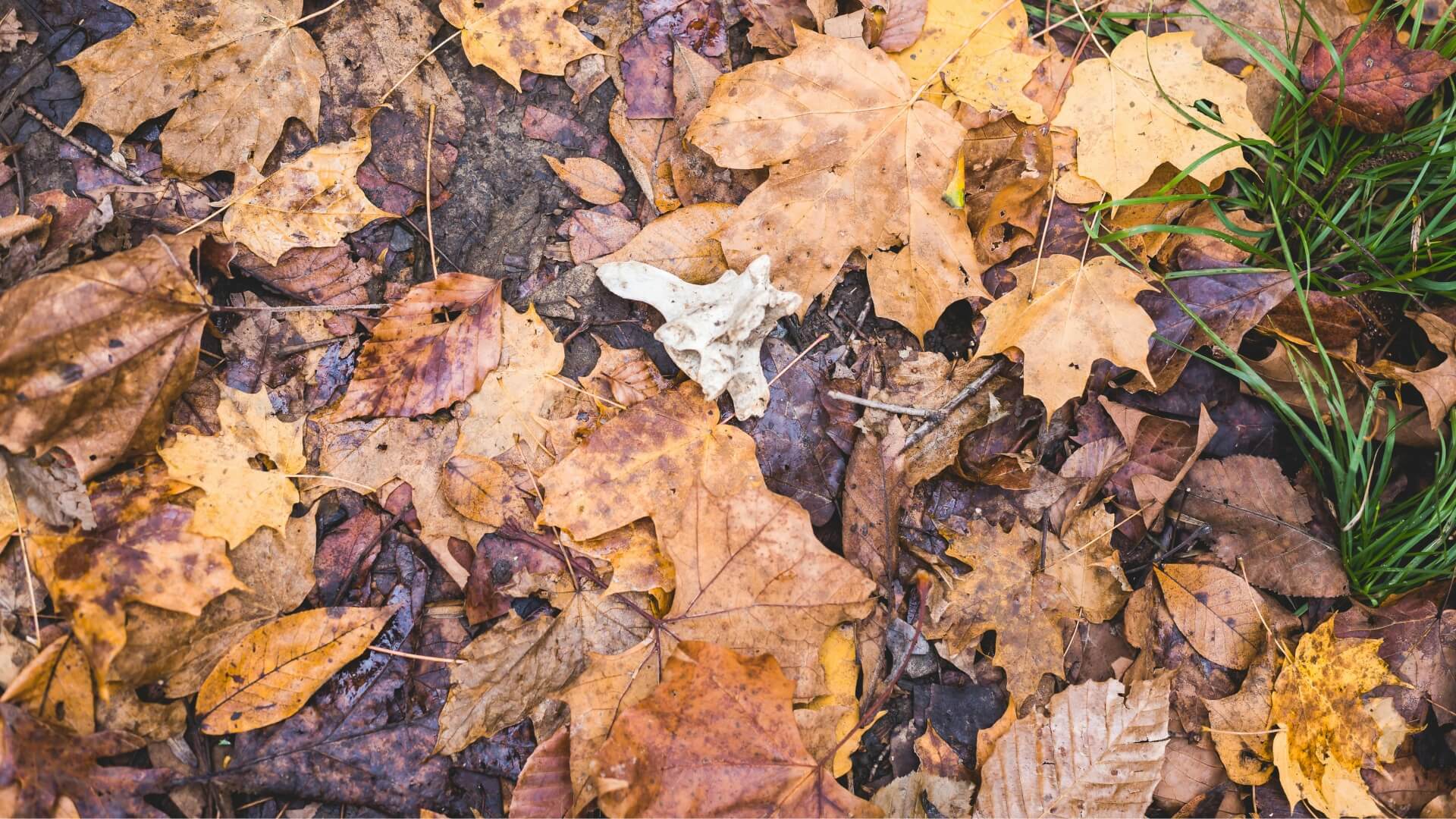
- Infiltration of leaves and debris: Dead leaves, soil, and debris carried by wind and rain can infiltrate your well. As they decompose, these organic materials not only serve as food for bacteria, but also release tannins, which give the water a yellowish or brownish tint. This debris can alter the taste, smell, and quality of your water.
- Contamination by nitrates and animal-based bacteria: Heavy rains can raise the water table and cause contaminants present on the soil surface (such as agricultural nitrates, bacteria from fields or septic tanks) to enter the groundwater that feeds your well.
- Water pressure variations: Well and pump systems, often made of steel parts, can be affected by changes in the water table. A sudden drop in water pressure could lead to seepage or corrosion problems.
Simple steps to ensure safe, high-quality water
To avoid these problems, a few simple actions can make a big difference:
- Inspect the area around your well: Make sure the wellhead is clear of debris, leaves, or soil buildup. The surface should be clean and the cover should be airtight to prevent microbiological infiltration.
- Check the drainage: Make sure rainwater drains away from the wellhead. The ground should slope outward to prevent standing water from seeping in and bringing in chemical contaminants.
- Protect your pipes: With the first frosts arriving, it is crucial to ensure that outdoor pipes and steel plumbing systems are well insulated to prevent them from freezing and bursting.
- Have your water tested: This is the best way to know the quality of your water. The Ministère de l’Environnement, de la Lutte contre les changements climatiques, de la Faune et des Parcs (MELCCFP) recommends having your well water tested at least twice a year by an accredited laboratory in Quebec. Fall is the ideal time to do this, as testing can detect the presence of nitrates or contaminants before they pose a risk to your health.
Ensure peace of mind with high-quality drinking water
October is the ideal time to take stock and take action. At Puribec, our expertise and commitment to excellence enable us to help you prevent these problems and maintain pure well water.